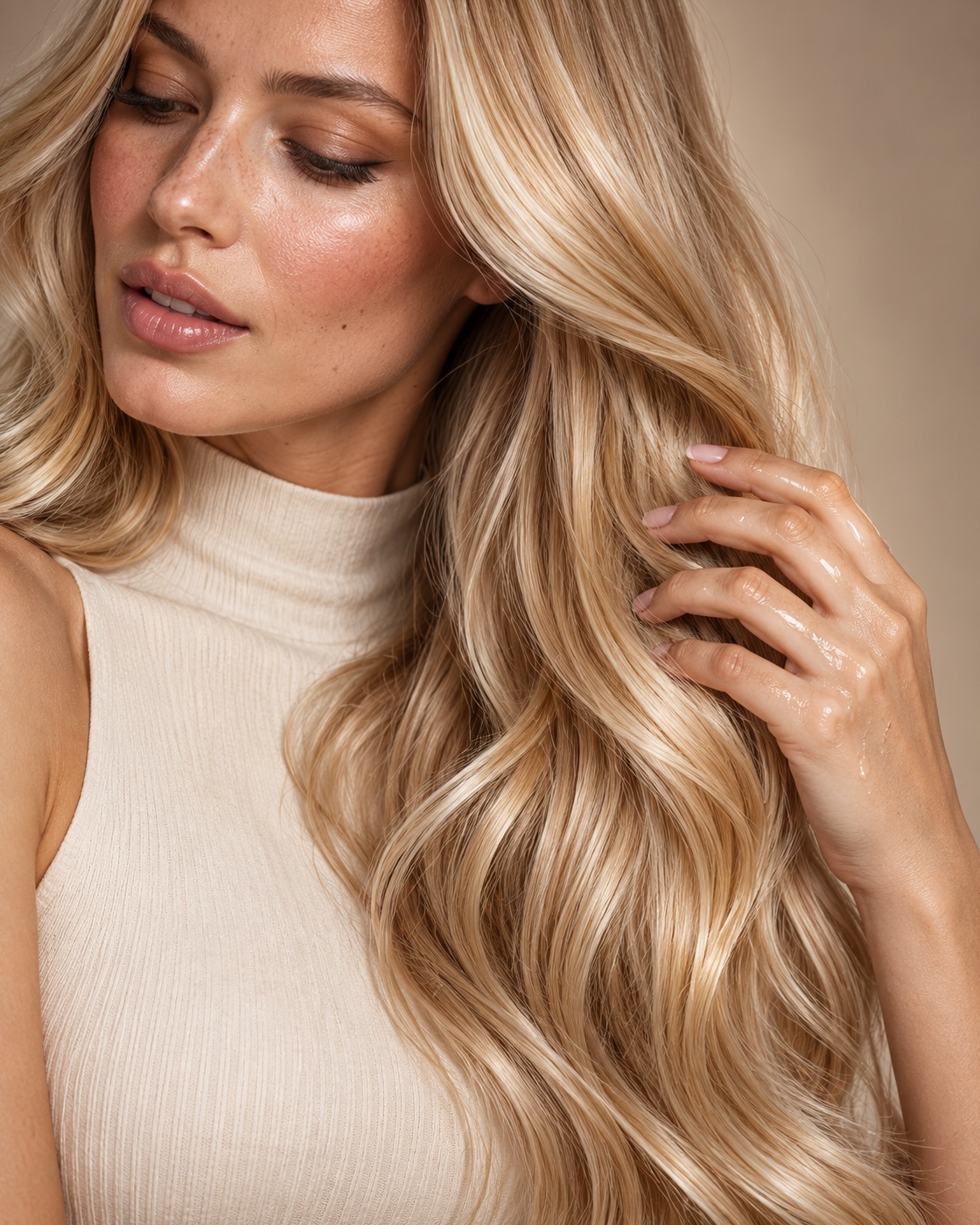
Bond-repair products aim to strengthen damaged hair by supporting the bonds inside each strand that bleach, color and heat break down. They help most on chemically processed or heat-styled hair, and results build with consistent use over weeks, not overnight. If your hair is already healthy, you may not need one at all.
What do bond-repair products do?
Each hair strand has an inner layer, the cortex, held together by different types of chemical bonds. As ELLE explains, disulfide bonds give hair its core strength, while hydrogen and salt bonds affect elasticity and texture. Bleach, color, heat and everyday friction can break those bonds, leaving weak spots that make hair more prone to snapping.
Bond-repair formulas use ingredients such as amino acids, hydrolysed proteins or peptides that aim to reconnect broken areas or fill in the gaps. Las Vegas hairstylist Izzy Dickinson told ELLE they're designed to improve the strength, elasticity, manageability and appearance of damaged hair.
One important caveat: “bond repair” is a marketing category, not one technology. Different brands use different chemistry, and not every product rebuilds the strong disulfide bonds. Some mainly condition and fill gaps. Treat a brand's mechanism claims as the brand's claims unless they're backed by published research.
Do bond-repair treatments actually work?
They can make damaged hair look and feel better, but they aren't magic. The two hairstylists ELLE interviewed take different views.
- The enthusiast: Dickinson sees bond repair as useful once hair is color-treated, bleached, heat-styled or prone to breakage, and helpful even against everyday wear.
- The skeptic: Rodger Azadganian, a hairstylist, salon owner and founder of his own haircare brand, isn't convinced every product does what it promises. He agrees the right products can improve the look, feel and condition of compromised hair over time, but warns “there's rarely an overnight fix.”
How long does it take? Azadganian estimates that significantly compromised hair can need “90 to 120 days of proper care” before you notice a meaningful difference. That's one stylist's experience, not a measured result, but it's a useful reality check: plan on months of consistent use, not one wash.
Who actually needs bond repair?
Likely to benefit:
- Bleached or highlighted hair
- Color-treated or chemically straightened, relaxed or permed hair
- Hair you heat-style often
- Hair that snaps, feels gummy when wet or won't hold a style
Might not need it:
- Healthy, unprocessed hair you already treat gently
Azadganian compares bond repair to a multivitamin: if your diet is balanced, do you absolutely need one? Maybe not. He told ELLE he doesn't think you need a bond-repair product “simply because it's trending.” Dickinson points out that sun, brushing, hair ties and friction from pillows and clothes stress all hair, so a gentle bond product won't hurt if you like it. If you're unsure, ask your stylist to assess your hair.
Can bond-repair products damage hair?
According to Dickinson, a properly formulated bond-repair product shouldn't damage healthy hair. That's different from protein-heavy treatments, which can leave hair stiff and brittle if overused. If your hair starts feeling straw-like after lots of protein masks, pull back and balance with moisture. Our guide to caring for over-processed hair covers that protein–moisture balance.
Embrace your individuality and transform your look by trying out a unique shade. Did you know that green hair is associated with nature, creativity, and growth? So go ahead, experiment with this bold hair color to represent a new phase in your life, waiting to blossom like a fresh spring leaf.
Bond repair vs protein treatment vs conditioner
| Product | What it's designed to do |
|---|---|
| Bond-repair treatment | Targets the bonds inside the strand to improve strength and elasticity in damaged hair |
| Protein treatment | Coats and temporarily reinforces the hair surface with protein; useful for weak hair, but overuse can make it brittle |
| Conditioner or mask | Smooths, softens and adds moisture to the outside of the strand; doesn't repair internal bonds |
These work together, not instead of each other. Most damaged hair still needs a good conditioner.
Which format should you choose?
Dickinson told ELLE that a shampoo and conditioner provide everyday support, a mask offers more intensive treatment and a serum gives targeted care. A simple way to choose:
- Mildly stressed hair (occasional heat, some color): a bond-building shampoo and conditioner may be enough.
- Bleached or very damaged hair: add a weekly mask or in-salon treatment.
- Breakage in one area, like mid-lengths or ends: a leave-in serum lets you target it.
Follow the instructions closely. Some treatments are meant to go on before conditioner, some are leave-in, and results depend on using them as directed.
What bond repair can't do
- It can't glue split ends back together. Once an end has split, only a trim fixes it.
- It doesn't cancel out ongoing damage. If you keep bleaching and flat-ironing at high heat, a treatment can only do so much.
- It isn't a substitute for gentler habits. Lower heat, heat protectant and spacing out chemical services all matter.
For the basics, see our tips on repairing bleach damage and protecting your hair while styling.
The verdict
Bond-repair products aren't a scam and they aren't a miracle. They're a useful tool for bleached, colored and heat-styled hair if you use them consistently and keep realistic expectations. If your hair is healthy and you treat it gently, you can probably skip them, or add one as a little insurance before your next color appointment.
FAQ
Do bond-repair treatments actually work?
They can improve the look, feel and strength of damaged hair over time, especially bleached or chemically treated hair. Results build with consistent use rather than appearing overnight, and products vary in the chemistry they use.
Do I need bond repair if my hair isn't bleached?
Not necessarily. Bond repair helps most on chemically processed or heat-damaged hair. If your hair is healthy and you're already gentle with it, it's optional, though everyday stress from sun, brushing and hair ties affects all hair.
How long does bond repair take to work?
You may notice softer, more manageable hair after a few uses, but one hairstylist told ELLE that seriously compromised hair can take 90 to 120 days of proper care to show a meaningful difference. Consistency matters more than any single treatment.
Can bond-repair products damage hair?
A properly formulated bond-repair product shouldn't damage healthy hair, according to a hairstylist interviewed by ELLE. Protein-heavy treatments are different and can make hair brittle if overused.
Is bond repair the same as a protein treatment?
No. Protein treatments mainly reinforce the hair surface and can cause stiffness if overused. Bond-repair products target the bonds inside the strand. Many damaged-hair routines use both, balanced with moisture.
Keep exploring
Search AllWomenStalk for your next read.
Add allwomenstalk.com as a preferred source on Google to see more of our trusted coverage when you search.
Don't Miss the Latest Version
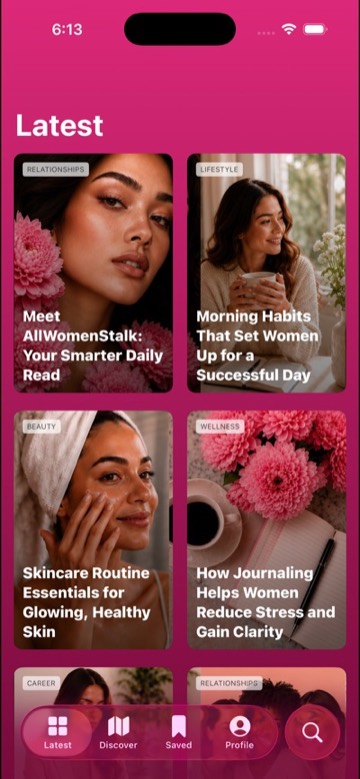
Get the latest stories, save favorites, and share with friends — all in one place.

New Earn badges & level up while you read
Create your profile. Earn badges. Level up your reading.
Join Allwomenstalk to track your streaks, collect badges, and earn XP for the things you already do—reading, sharing, and taking quizzes.
- 🔥Daily streaks with gentle boosts for 3, 7, and 30 days.
- 🏅Collect badges like Reader I–III, Socialite, and Quiz Ace.
- ⚡️Earn XP for reads, deep reads, likes, comments, and shares.
It’s free. Takes 30 seconds. Already have an account? Sign in.


Feedback Junction
Where Thoughts and Opinions Converge