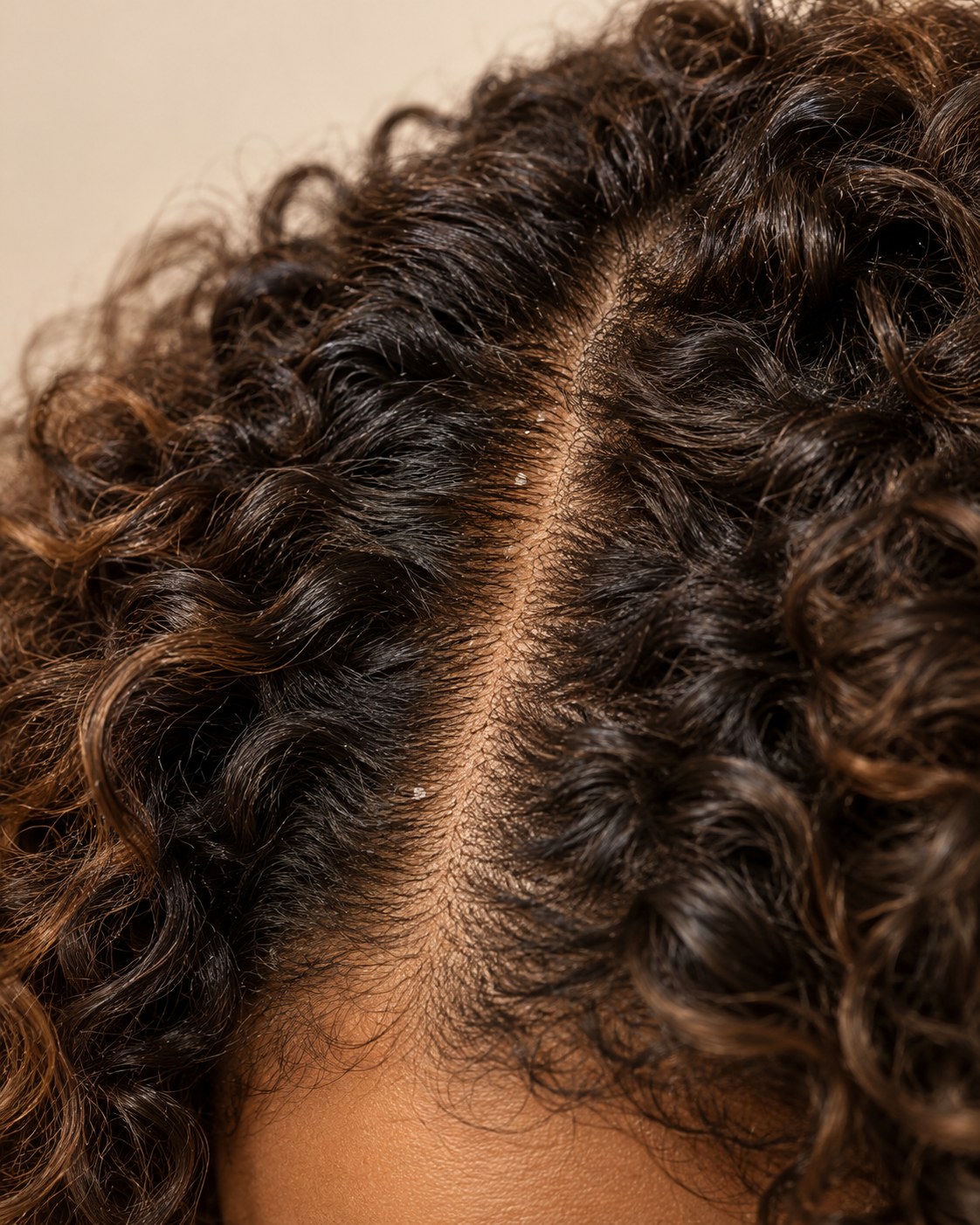
Flakes do not mean your scalp is dirty. Dandruff is often a mild form of seborrheic dermatitis, while a dry or irritated scalp and psoriasis can look similar from a distance. The right routine depends on what is actually causing the flakes, so start with the comparison below, try the shampoo routine when dandruff seems likely, and know when to get a dermatologist’s help.
Cold weather can make this more confusing. The American Academy of Dermatology says seborrheic dermatitis often flares in winter and early spring. A scalp that feels dry may tempt you to pour on oil, but that is not a reliable fix for dandruff. This guide replaces this page’s old warm-oil advice with an ingredient-led approach.
Which kind of flake is it?
These are clues, not a way to diagnose yourself. A dermatologist can distinguish overlapping conditions.
Possible cause
What you might notice
Dandruff
Flakes and perhaps itch, usually without much visible inflammation. The AAD calls it the mildest form of seborrheic dermatitis.
Seborrheic dermatitis
More inflammation and scale, sometimes greasy or yellowish. It can also affect eyebrows, ears, and the folds beside the nose. On darker skin, the rash can look pink, slightly purple, or lighter than surrounding skin.
Dry or irritated scalp
Tightness and flaking can accompany dryness or irritation, but appearance alone cannot confirm the cause. Products, weather, and washing habits may matter.
Scalp psoriasis
Often thicker, more clearly edged plaques. Psoriasis and seborrheic dermatitis can coexist.
The AAD overview explains that seborrheic dermatitis is not contagious. It also notes that scratching can worsen skin changes. Be gentle with a scalp that is already inflamed.
Thanks for your feedback! Couldn't send feedback. Try again?
Report this addition
Why cold weather can make flakes more noticeable
Seborrheic dermatitis can flare seasonally, especially in winter and early spring, and stress may play a role, according to the AAD. That does not mean every winter flake is seborrheic dermatitis. If a new product stings, a rash spreads, or your usual routine stops helping, reconsider the cause with a clinician instead of scrubbing harder.
Thanks for your feedback! Couldn't send feedback. Try again?
The AAD’s dandruff guide lists several active ingredients: zinc pyrithione, salicylic acid, sulfur, selenium sulfide, ketoconazole, and coal tar. Choose a product by its active ingredient and follow its label. Lather the treatment on the scalp, where the flakes start. Depending on the product, it may need to remain there for five to ten minutes before rinsing.
Hair texture changes the routine. The AAD says fine or naturally straight hair and oily scalps may need frequent washing, with dandruff shampoo around twice weekly. Coarse, curly, or coily hair can be washed as needed, with dandruff shampoo about once weekly if tolerated; apply it to the scalp only because treatment ingredients can dry the lengths. You can condition afterward. Coal-tar shampoo may increase sun sensitivity, so protect exposed scalp from the sun.
If the first shampoo is not helping after consistent use, a dermatologist can check the diagnosis and suggest a different approach. There is no prize for enduring a painful or worsening scalp.
Thanks for your feedback! Couldn't send feedback. Try again?
Report this addition
Five habits to reconsider
Oiling a scalp you assume is just dry. Oil is not a dandruff treatment. Some people with seborrheic dermatitis find heavy oils or pomades aggravating, according to dermatologists interviewed by Bustle. If oil helps your hair lengths, keep that separate from treating an inflamed scalp.
Picking or aggressively scrubbing flakes. That can irritate skin already trying to heal.
Lathering only the hair lengths. Medicated shampoo needs to contact the scalp.
Rinsing immediately. Check the product instructions for contact time.
Abandoning a routine after one wash. Give a well-tolerated treatment a fair trial, then seek care if it persists or worsens.
Thanks for your feedback! Couldn't send feedback. Try again?
Report this addition
Embrace your individuality and transform your look by trying out a unique shade. Did you know that green hair is associated with nature, creativity, and growth? So go ahead, experiment with this bold hair color to represent a new phase in your life, waiting to blossom like a fresh spring leaf.
What if it is scalp psoriasis?
Thick plaques, pain, or a rash that extends beyond the scalp deserve an assessment. Psoriasis is not contagious. Avoid scratching or harsh exfoliation while the skin is inflamed; irritating products may make some people’s psoriasis worse. Be cautious with strong acids, physical scrubs, menthol, tea tree oil, and hair dye if you have reacted to it before. A dermatologist can help choose scale-softening and anti-inflammatory care for your situation. If you’re planning a color change, see our hair-color patch-test guidance.
Thanks for your feedback! Couldn't send feedback. Try again?
Report this addition
When to see a dermatologist
Book a visit when flakes are severe, persist despite following an over-the-counter dandruff-shampoo routine, or you are unsure what you are treating. Seek care sooner for pain, weeping or infected-looking skin, thick or spreading plaques, or noticeable hair loss. Our hair-shedding guide can help you describe changes, but it cannot replace an exam. The AAD notes that a dermatologist can tell whether the flakes are dandruff, seborrheic dermatitis, psoriasis, eczema, or another condition.
Thanks for your feedback! Couldn't send feedback. Try again?
Not necessarily. Dandruff is generally considered a mild form of seborrheic dermatitis; dryness or irritation can have other causes. Similar-looking flakes need different care.
How long should I leave dandruff shampoo on?
Follow the label. The AAD says some formulas need five to ten minutes on the scalp before rinsing.
Does oil help dandruff?
Do not rely on oil to treat dandruff. Heavy oil may aggravate some cases of seborrheic dermatitis, and the old oil-massage tip on this page was not sound general advice.
Why do I notice more flakes in winter?
Seborrheic dermatitis often flares in winter, but cold-season flaking has several possible causes. An exam can settle an uncertain diagnosis.
Editorial review pending: a board-certified dermatologist should check the comparison, treatment routine, and psoriasis guidance.
Thanks for your feedback! Couldn't send feedback. Try again?
Report this addition
Feedback Junction
Where Thoughts and Opinions Converge
Keep exploring
Search AllWomenStalk for your next read.
Add allwomenstalk.com as a preferred source on Google to see more of our trusted coverage when you search.
Don't Miss the Latest Version
Get the latest stories, save favorites, and share with friends — all in one place.
Choose the look that feels most comfortable for reading.
Your choice is saved on this device only.
Read Allwomenstalk in the app
A calm, image-forward feed of fashion, beauty, wellness and relationship stories. Save your favourites and discover what fits your mood — all on your iPhone.






Feedback Junction
Where Thoughts and Opinions Converge