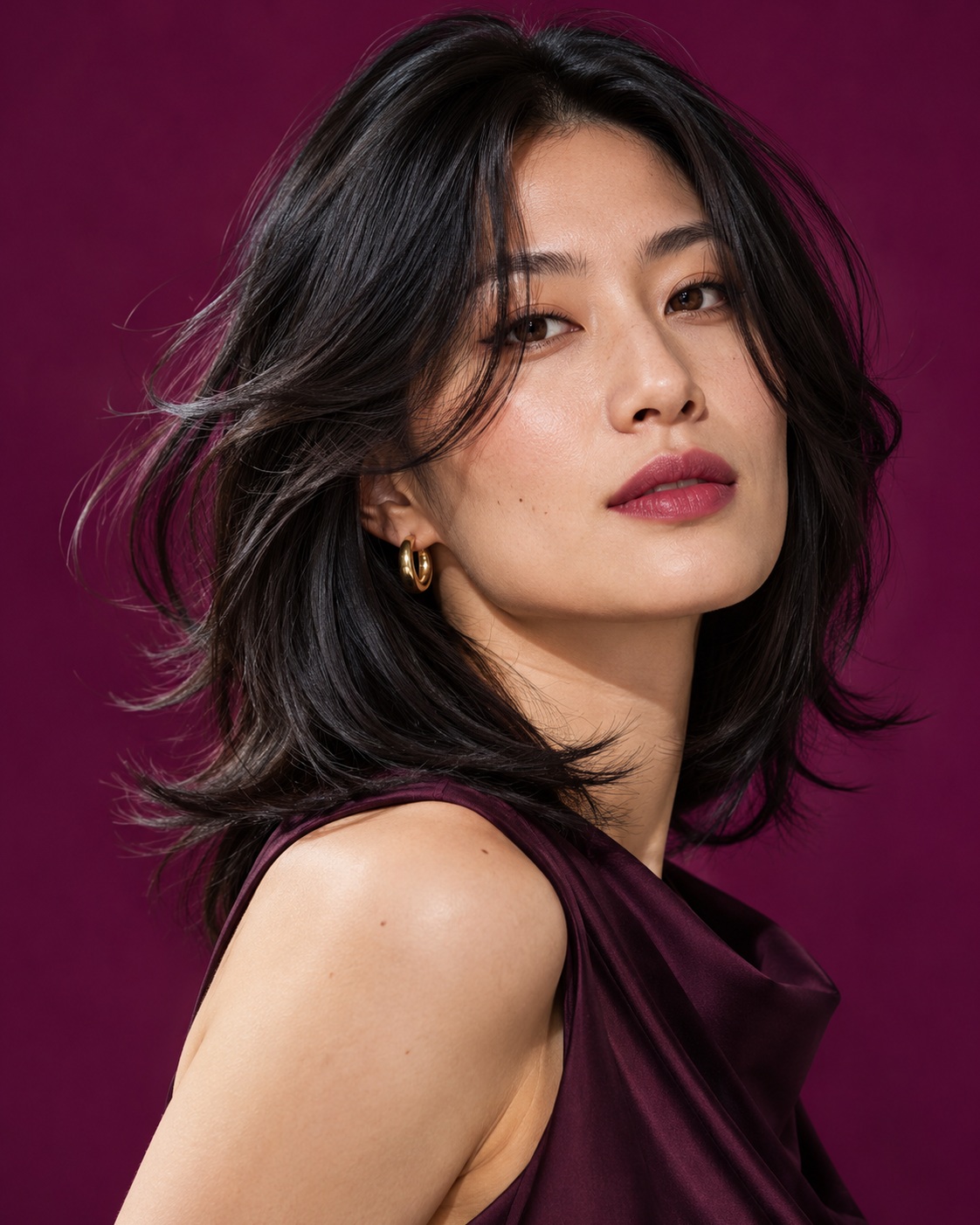
The best layered haircut is the one that gives you the shape you want on the days you actually live through. Soft face framing, discreet internal movement, a butterfly cut, and a shorter layered crop can all be starting points. They are not interchangeable requests, and none is a guarantee of volume without styling.
In Glamour’s layered-haircut guide, Larry King favors discreet layering, Charley McEwan discusses butterfly cuts and softer shags, and Dom Seeley describes billowy lengths. Leah Hill discusses the halo cut for curls. Ryan Forsythe warns against over-layering fine hair; Michelle Thompson distinguishes curl-cutting approaches according to how the hair is worn.
Our consultation guide below turns those directions into questions rather than technical cutting instructions. You should not need to tell a professional where to place every layer. You should be able to explain the silhouette, the amount of visible separation, and the daily routine you want them to consider.
A useful first distinction is between the outside outline and the movement inside it. You might like your current length but dislike its shape. Or you might want a more visible change around the face while keeping the back relatively familiar. Tell the stylist which problem you are trying to solve.
Thanks for your feedback! Couldn't send feedback. Try again?
Report this addition
Seven directions to bring to the salon
1. Invisible or internal layers
Choose references where you notice the overall movement before you notice separate tiers. Ask the stylist what, if anything, could change inside your existing shape while keeping the outline you like.
“Invisible” is a visual goal, not a promise that no hair will be shortened. Ask where the shortest pieces would sit and whether they would behave differently when your hair is tied back. If you depend on a quick ponytail, say so before the scissors come out.
Bring an unstyled photograph alongside the polished reference. It gives you a better basis for discussing what is the haircut and what is the finish.
2. Butterfly layers
Look at how much shorter the front appears than the back in your chosen reference. Is that contrast what you love, or are you mostly responding to a large round-brush finish? Show the stylist both the front and side view you have in mind.
Ask how the proposed front pieces would sit without a blowout and how much length you would retain at the back. If your goal is a hairstyle that changes easily between loose hair and an updo, discuss both versions.
3. A softer shag
Collect examples with the degree of texture you would actually wear. A shag can mean very different things in a client’s saved folder: a fringe-heavy silhouette, a loose lived-in shape, or a much more pronounced short-to-long contrast.
Decide whether you want a fringe as part of the cut or simply like the movement around it. Our bangs guide can help you separate those choices. A fringe is its own decision, not something you must accept to get layers.
4. A layered pixie or bixie
For a short reference, inspect the nape, the area around the ears, and the longest pieces near the face. Those details can change the feel of a cut even when two pictures share the same label.
Ask what the shape would look like as it grows and what appointments you would want to keep it looking intentional. If you are moving from long hair, talk about which short shape appeals to you rather than asking for “less hair” as the only instruction. Our pixie inspiration can be a starting point for the conversation.
5. Billowy long layers
If your priority is keeping a long overall look, identify the part of the reference that creates the impression you want. It might be the front movement, a rounded finish at the ends, or simply a deep side part.
Ask the stylist to show you the proposed shortest and longest points. “Keep the length” can mean keeping the longest few strands to one person and keeping a dense bottom line to another. Agree on what it means to you.
6. A halo direction for curls
Use photographs that show the whole silhouette, not just a tightly cropped curl detail. Tell the stylist whether you wear your hair curly all the time or also wear it straight. Ask how that changes their proposed approach.
You do not have to choose a wet or dry cutting method from a trend article. Ask the professional to explain the method they recommend for your texture and the styles you actually wear. Bring pictures of your hair on ordinary days so the discussion starts with your real pattern and routine.
7. Kitty-cut or retro face framing
If you like a shorter, bouncy layered reference, be clear about the length around your face and the amount of styling involved. A nostalgic name is less informative than showing exactly which front pieces and outline you want.
For a softer curtain-fringe direction, compare the Elinor haircut. You may discover that face framing is the change you want, while the rest of your existing cut can remain more familiar.
Thanks for your feedback! Couldn't send feedback. Try again?
Report this addition
Match the decision to your hair
Your starting question
What to discuss before cutting
Fine hair and concern about thin-looking ends
How much weight would be removed and what the bottom line would look like
Thick hair that feels bulky
Which part of the silhouette you want changed, rather than asking for everything to be thinned
Curls worn curly
The shape in its usual state and the stylist’s proposed method
Hair worn both curly and straight
How the cut would function in both versions
Straight hair and a polished reference
What the shape would look like without the reference’s styling
A daily ponytail or bun
Whether the proposed shorter pieces would stay secured
This table is a set of consultation prompts, not a diagnosis of what your texture needs. Two people with fine hair may want different results. One might prioritize a stronger outline, while the other prefers a light, piecey finish and is happy to style it.
Think about the time you want to spend on your hair, too. Bring your actual routine into the conversation: whether you wash at night, use a dryer, wear a head covering, tie it back for work, or change the part regularly. The right reference needs to survive those practical details.
Thanks for your feedback! Couldn't send feedback. Try again?
Report this addition
A consultation checklist that is more useful than a trend name
Our suggested script is:
I want this kind of movement, but I want to keep this much length and this amount of fullness at the ends. Here is how my hair usually looks, and here is how I style it. What version would make sense for me?
Then ask the stylist to explain three things before agreeing: where the shortest layer would end, which part of the outline would change, and how they expect you to style the result. You can also ask what they would leave alone.
If the explanation sounds like more work than you want, say so. Adjusting the plan before the cut is much easier than trying to become a completely different morning person afterward.
Thanks for your feedback! Couldn't send feedback. Try again?
Embrace your individuality and transform your look by trying out a unique shade. Did you know that green hair is associated with nature, creativity, and growth? So go ahead, experiment with this bold hair color to represent a new phase in your life, waiting to blossom like a fresh spring leaf.
When a different outline may be the better choice
Allure’s winter report also presents a one-length alternative. Layers are an option, not an obligation.
You may simply prefer a graphic outline, dislike the look of shorter pieces near your face, or want to keep your current routine. Take those preferences seriously. A consultation can end with a decision to refine the existing shape rather than add more layers.
If you are considering a shorter cut, compare the boyfriend bob and shattered bob. Look at the actual finish of each reference instead of deciding that one name automatically means easy and another means difficult.
Thanks for your feedback! Couldn't send feedback. Try again?
Report this addition
Plan for the first wash at home
Before leaving the salon, ask the stylist to explain what they did during the finish. Which steps created the movement you are seeing? Which are optional? Ask for a version of the routine that fits the tools and time you have.
A good question is, “What should I expect when I let this dry the way I normally do?” It gives you a more realistic picture than a promise that any named cut will be effortless. Save the explanation with your reference pictures for your next visit.
Thanks for your feedback! Couldn't send feedback. Try again?
Yes. Soft and more visible layered directions both appear in current editorial coverage. Choose according to your preferred shape and routine rather than a trend deadline.
What are invisible layers?
The name usually signals a discreet-looking result. Ask the stylist to show which parts would be shorter and what would happen to the outer outline.
Will layers make my hair look thicker?
Do not assume that. Discuss the result you want and how much weight would be removed, especially if preserving fullness at the ends matters to you.
Can fine hair have layers?
Talk through the specific proposal with a stylist. “Fine hair” alone does not describe your density, existing shape, or preferred finish.
Should curls be cut wet or dry?
Ask a professional experienced with your texture to explain the approach they recommend, including how you normally wear the hair.
Can I keep the length?
You can ask to preserve the overall length, but agree on the shortest pieces and bottom outline before cutting. Keeping the longest point is not the same as leaving everything unchanged.
When should I skip more layers?
If you prefer your current outline or do not want the proposed shorter pieces, discuss another approach. You do not need a trend name to justify that preference.
Thanks for your feedback! Couldn't send feedback. Try again?
Report this addition
Feedback Junction
Where Thoughts and Opinions Converge
Princess
2013-05-05T03:46:13.000Z
I got layers too. U have to have a good stylist or else it can look like a mullet lol
Melissa
2013-05-07T16:25:20.000Z
I need layers my hair are so bad right now making me have nothing to do with them but ponytail them all the time these would it for me...
Julia
2013-08-29T22:53:47.000Z
I just got a layered hair cut so its really nice with the advice
Keep exploring
Search AllWomenStalk for your next read.
Add allwomenstalk.com as a preferred source on Google to see more of our trusted coverage when you search.
Don't Miss the Latest Version
Get the latest stories, save favorites, and share with friends — all in one place.
Choose the look that feels most comfortable for reading.
Your choice is saved on this device only.
Read Allwomenstalk in the app
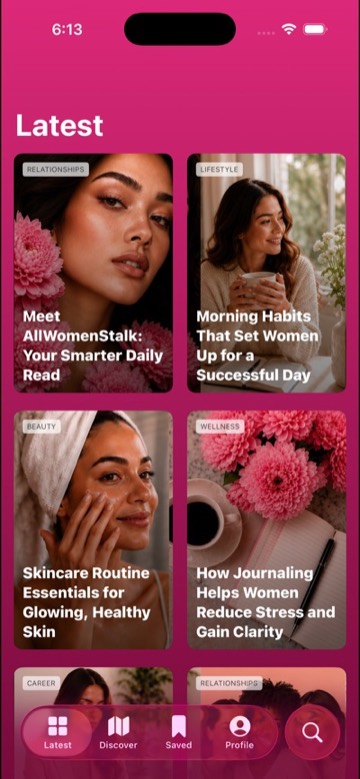
A calm, image-forward feed of fashion, beauty, wellness and relationship stories. Save your favourites and discover what fits your mood — all on your iPhone.


Feedback Junction
Where Thoughts and Opinions Converge
2013-05-05T03:46:13.000Z
2013-05-07T16:25:20.000Z
2013-08-29T22:53:47.000Z